
Parc
Plan parking with more certainty—and room for change
I designed a mobile parking concept from research through interactive prototypes, connecting search, booking, and the return to the car in one journey.
- My role
- Solo product designer
- Contribution
- Research, flows, prototyping, and usability testing
- Duration
- March–July 2021 · Five months
- Project stage
- Independent design concept
- Product
- Urban parking · Mobile app
- Research
- Five interviews · More than 20 surveys
Overview
Problem
Choosing parking should not mean guessing whether a space will be there.
Drivers weigh price, walking distance, and timing, often before they know whether a suitable space is available. Searching for parking can delay a trip and add unnecessary cost and effort.
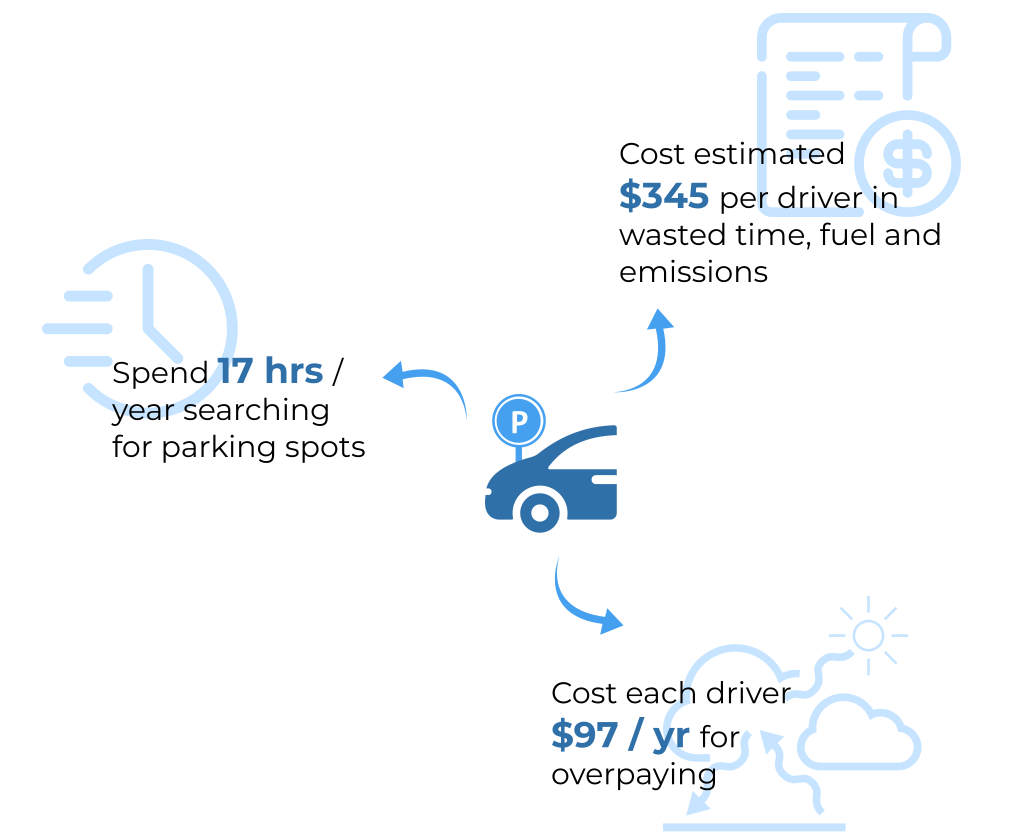
Parking statistics: INRIX, 2017 U.S. parking study.
Design process
I began by researching parking problems and existing tools, then mapped the driver journey and developed flows and prototypes. Usability feedback guided iterations on the proposed solutions.
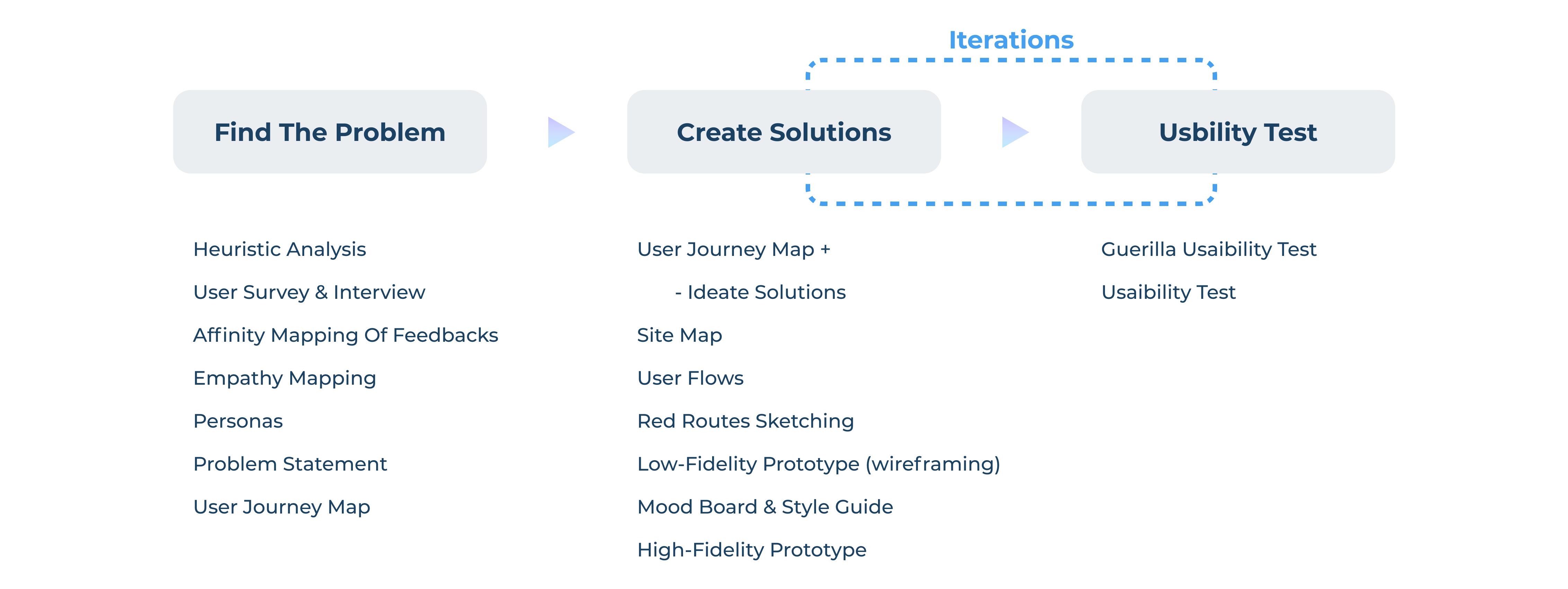
How can we improve the urban parking experience?
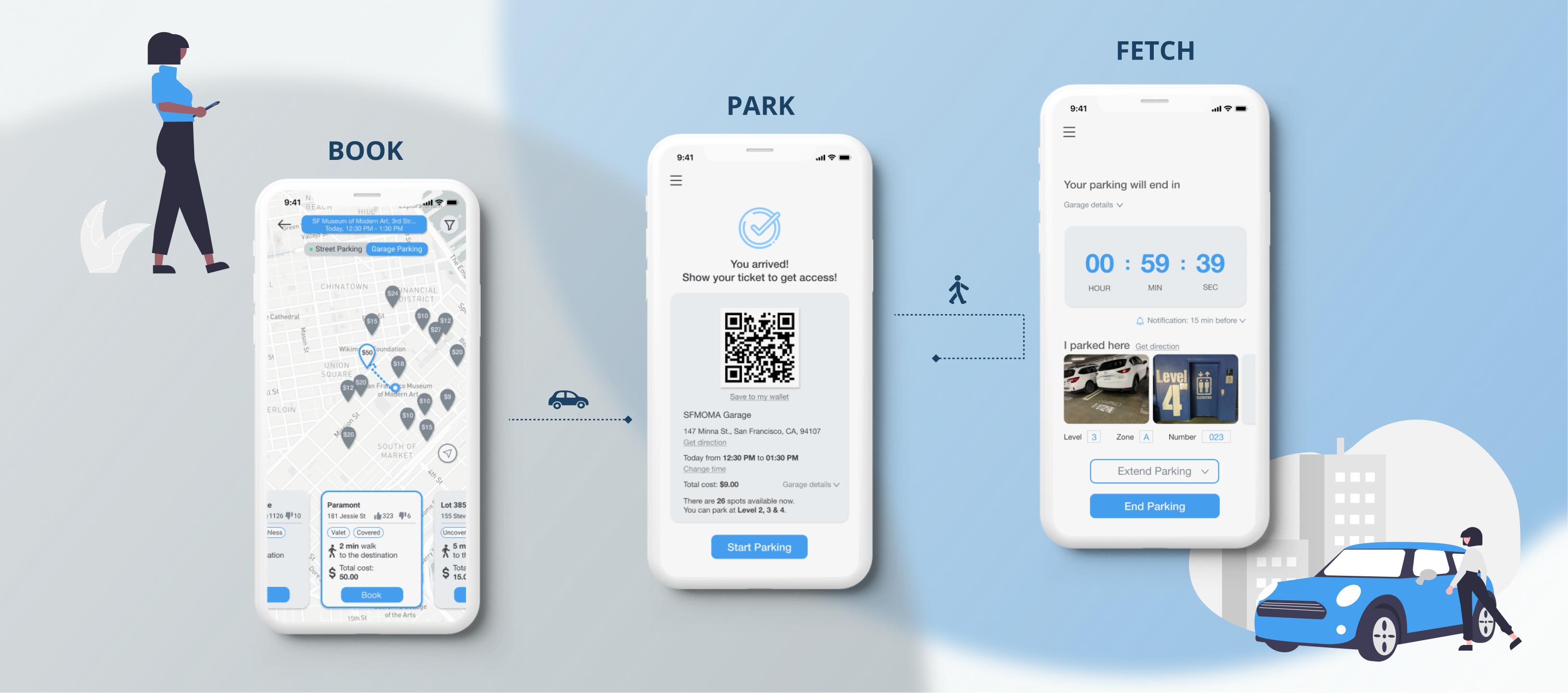
Parc is a mobile app concept that connects parking search, booking, and the return to the car. These final screens show how the design supports each part of the journey.
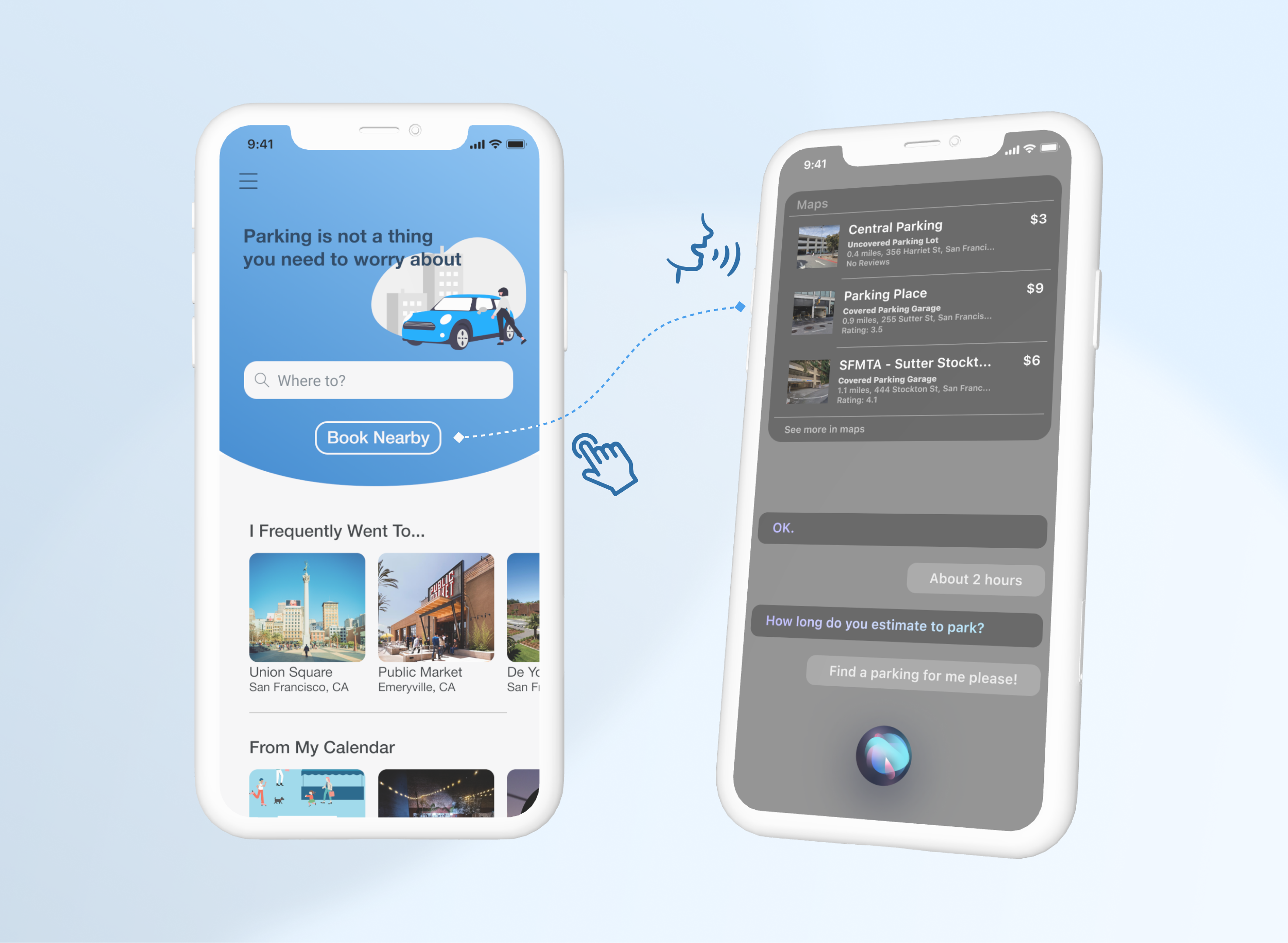
Express booking, by tap or voice
A Book Nearby shortcut and a proposed voice-assistant route offer two ways to start a nearby booking. The concept explores quicker access; driving safety would need further evaluation.
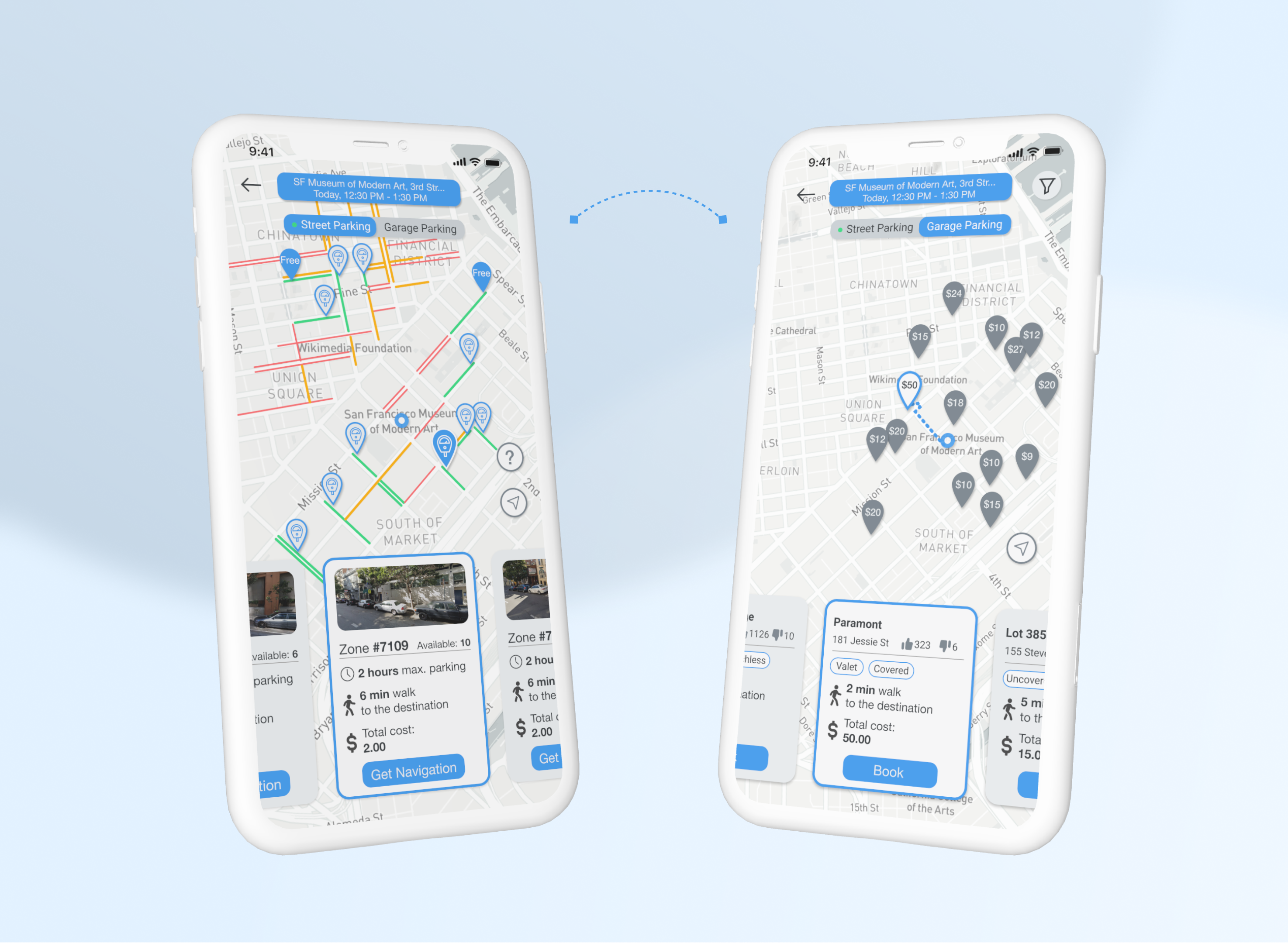
Compare street and garage parking
Switch between street and garage parking on the map to compare price, availability, and walking distance before choosing an option.
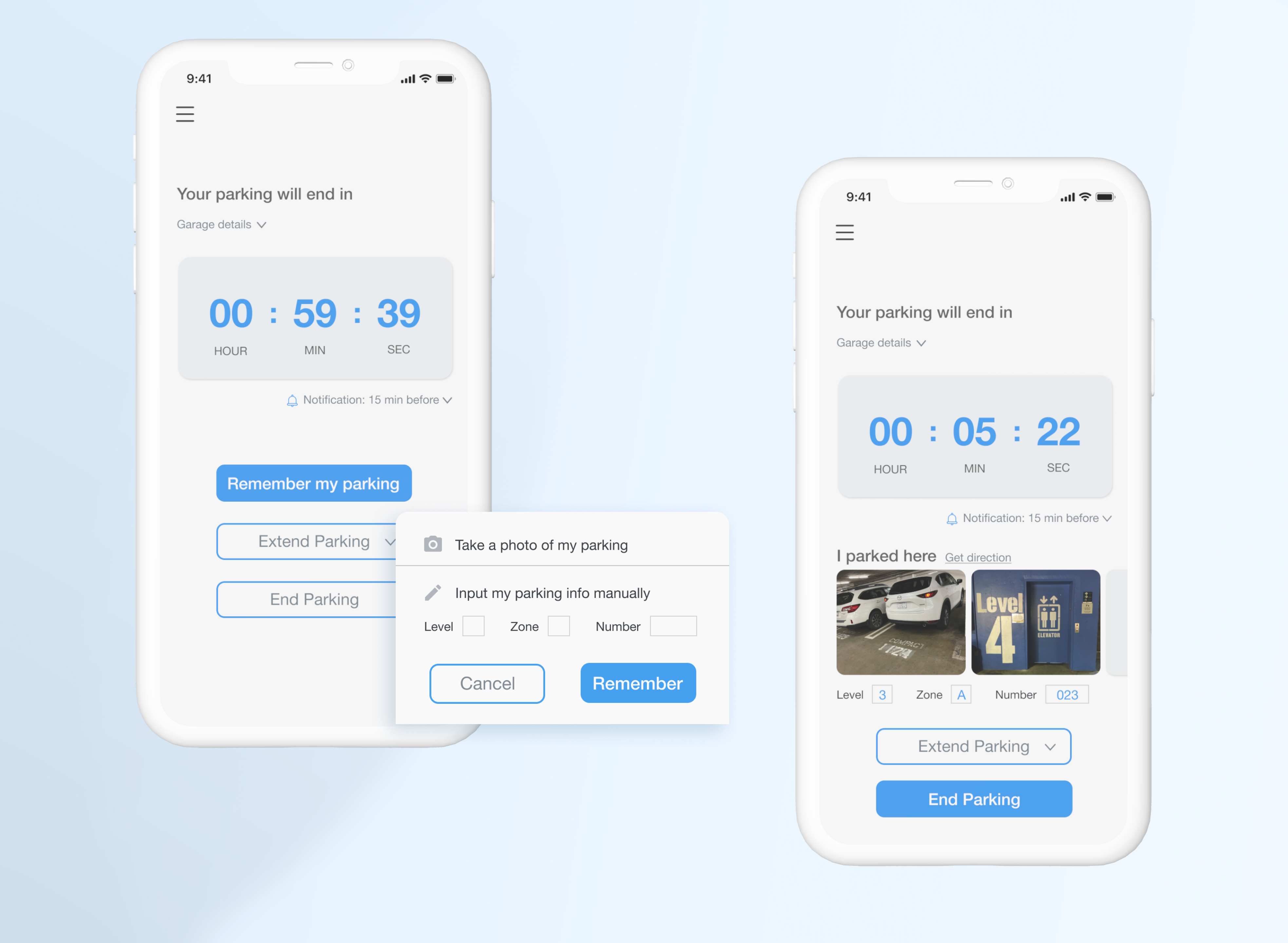
Find the car when it is time to leave
Save photos or enter the level, zone, and space number after parking. The active parking screen keeps those details alongside the remaining time.
Research
Look beyond the search for a space
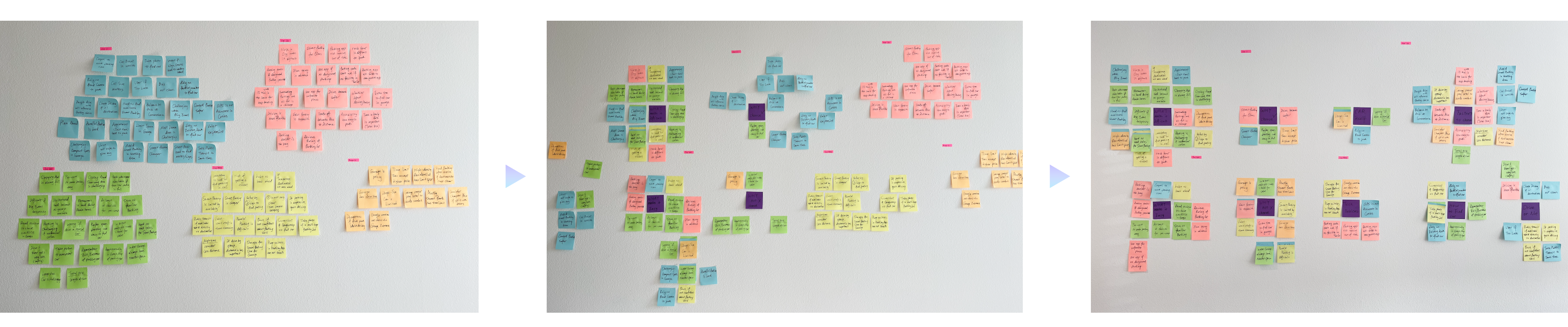
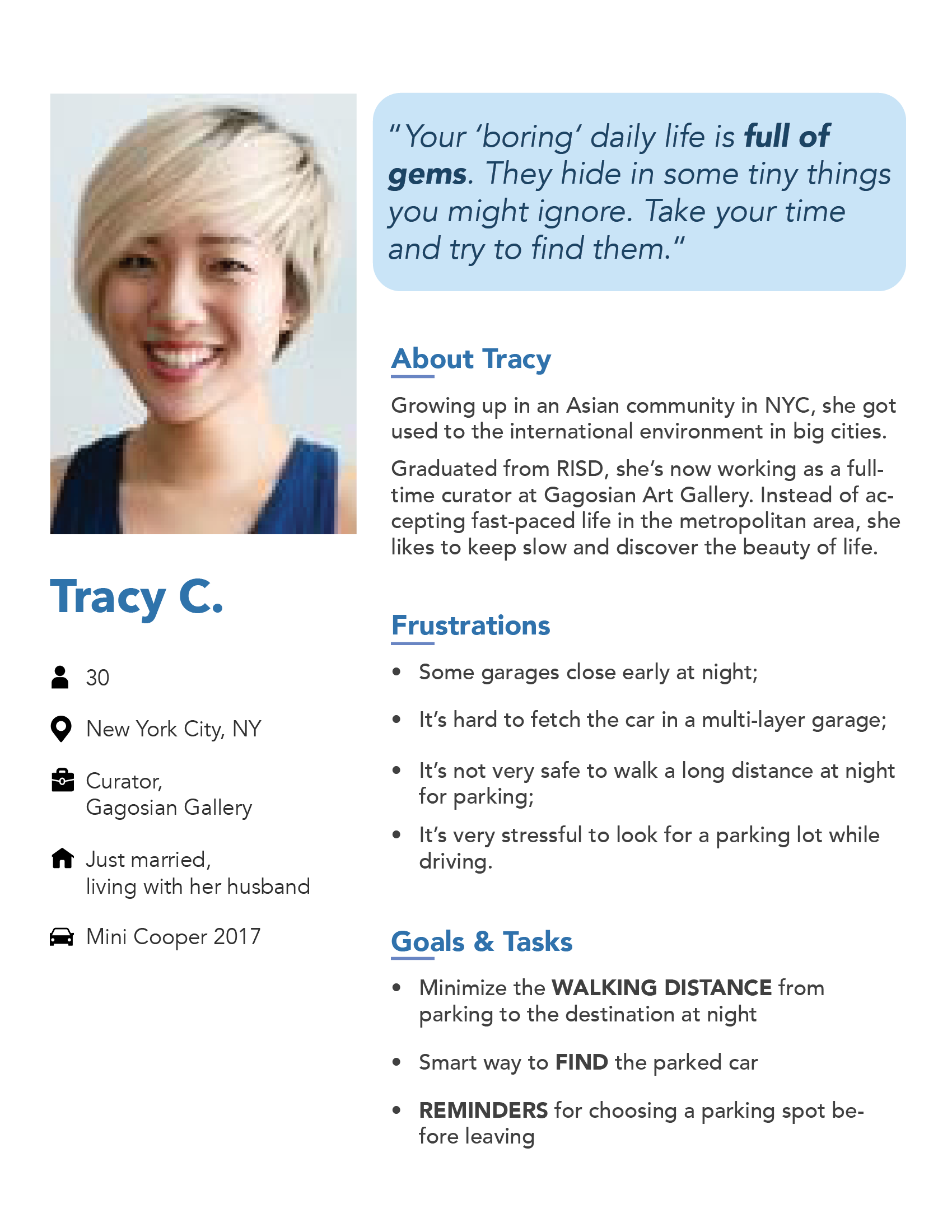
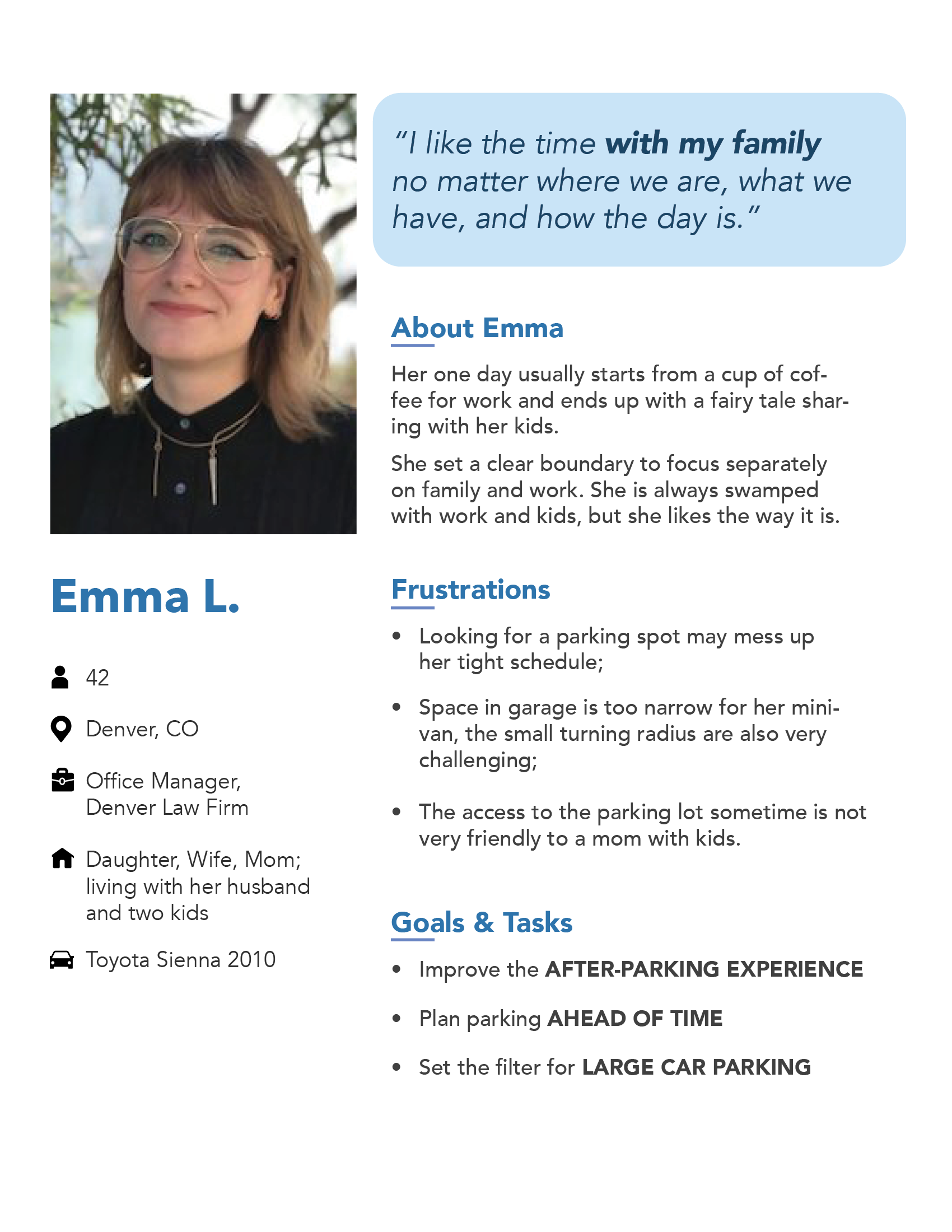
Five interviews and more than 20 surveys informed three personas. Interview participants also raised frustrations after parking, while some only started searching when they reached their destination.
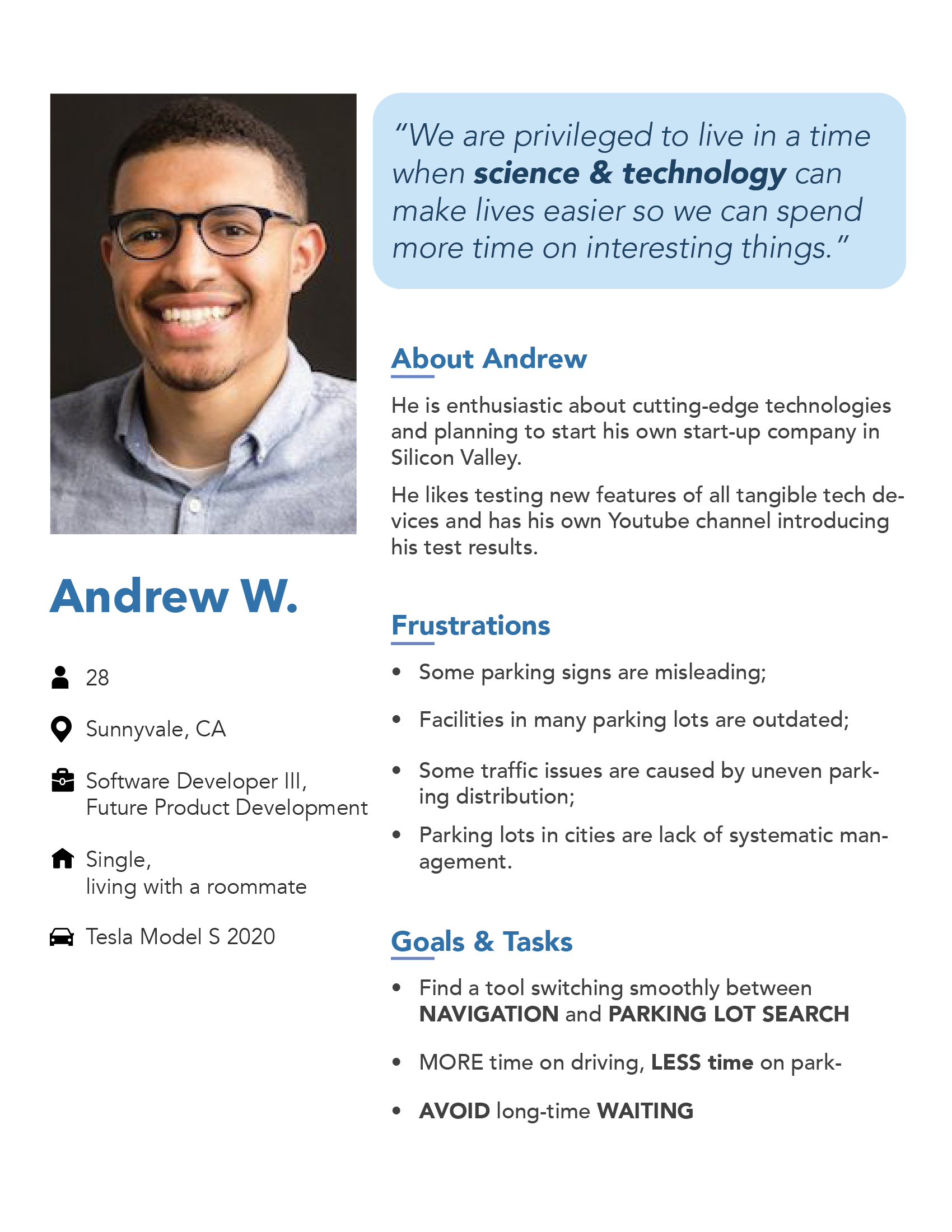
Personas: different drivers, shared parking needs
I developed three personas from five interviews and more than 20 surveys, and used them throughout the design process. They reflect different ages, locations, planning habits, and parking priorities within the research sample.
Their concerns ranged from time spent searching and walking distance to finding the car and accommodating a larger vehicle. Across these differences, they wanted parking to be convenient, smooth, and effortless.
Different habits, one connected journey
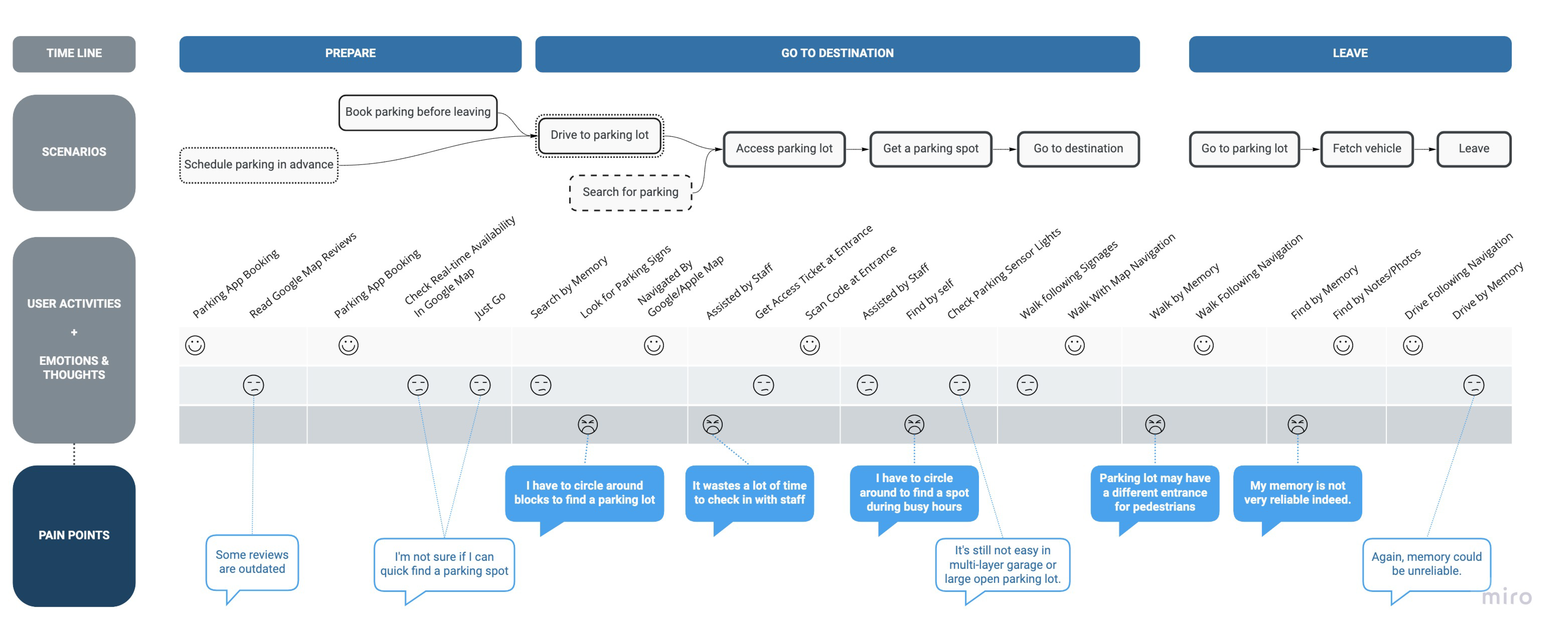
The personas captured different planning habits and parking priorities. Mapping their journeys highlighted uncertainty and limited advance planning as recurring sources of frustration.
Potential solutions
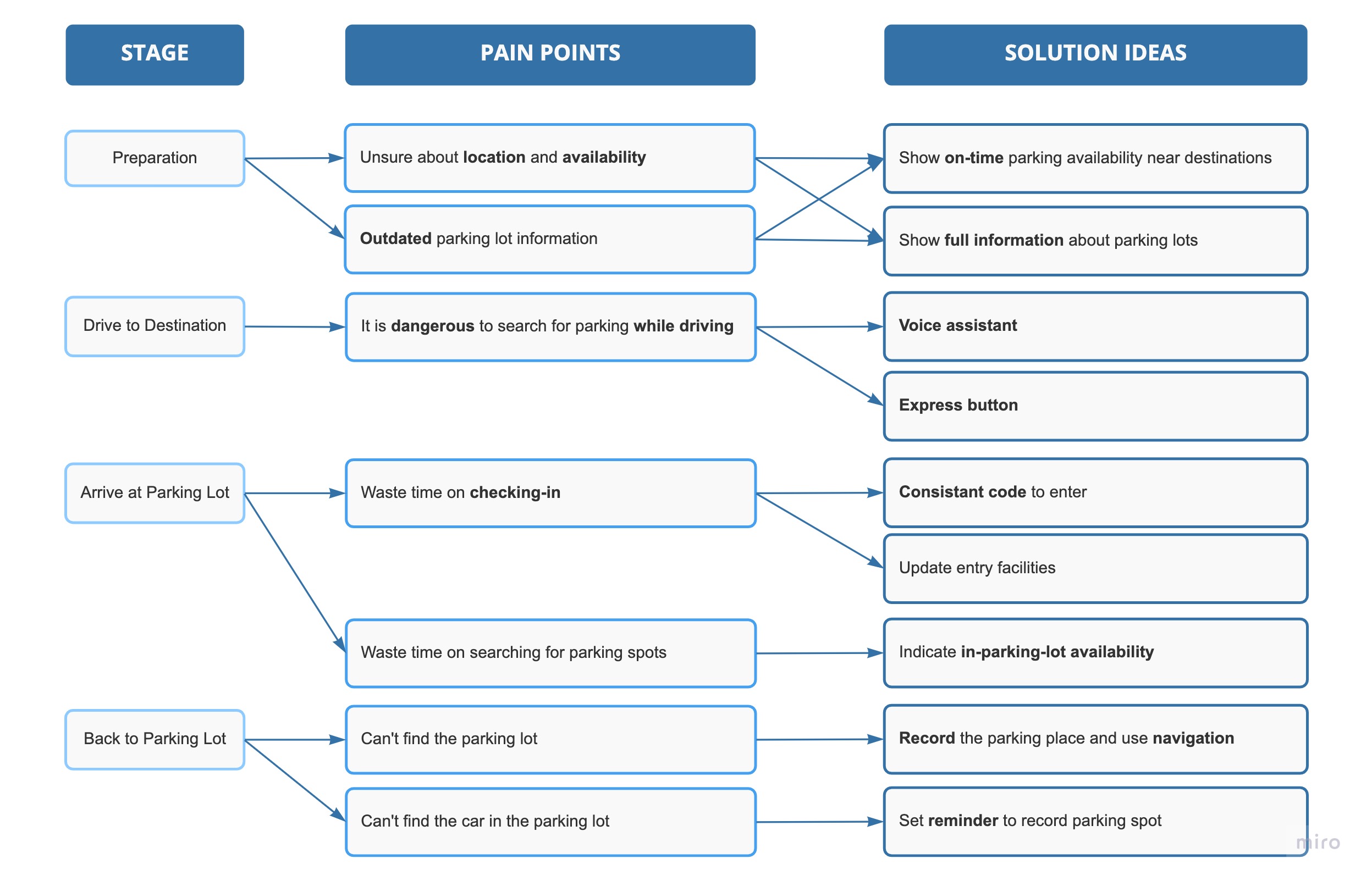
The journey map helped me connect recurring pain points to possible services: clearer availability and parking information, quicker booking access, smoother entry, and reminders to record the car’s location. These ideas became the starting point for the app’s flows.
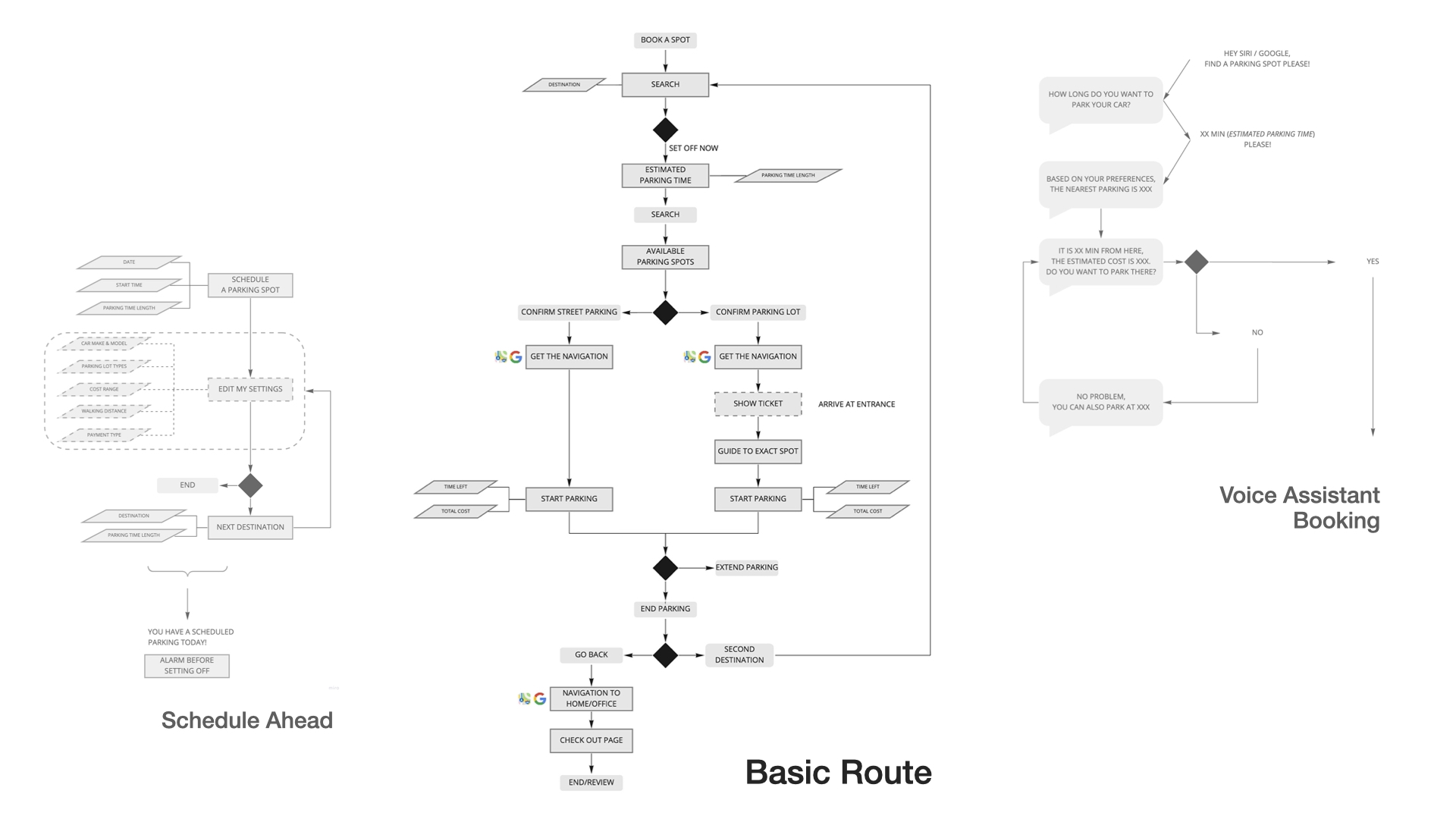
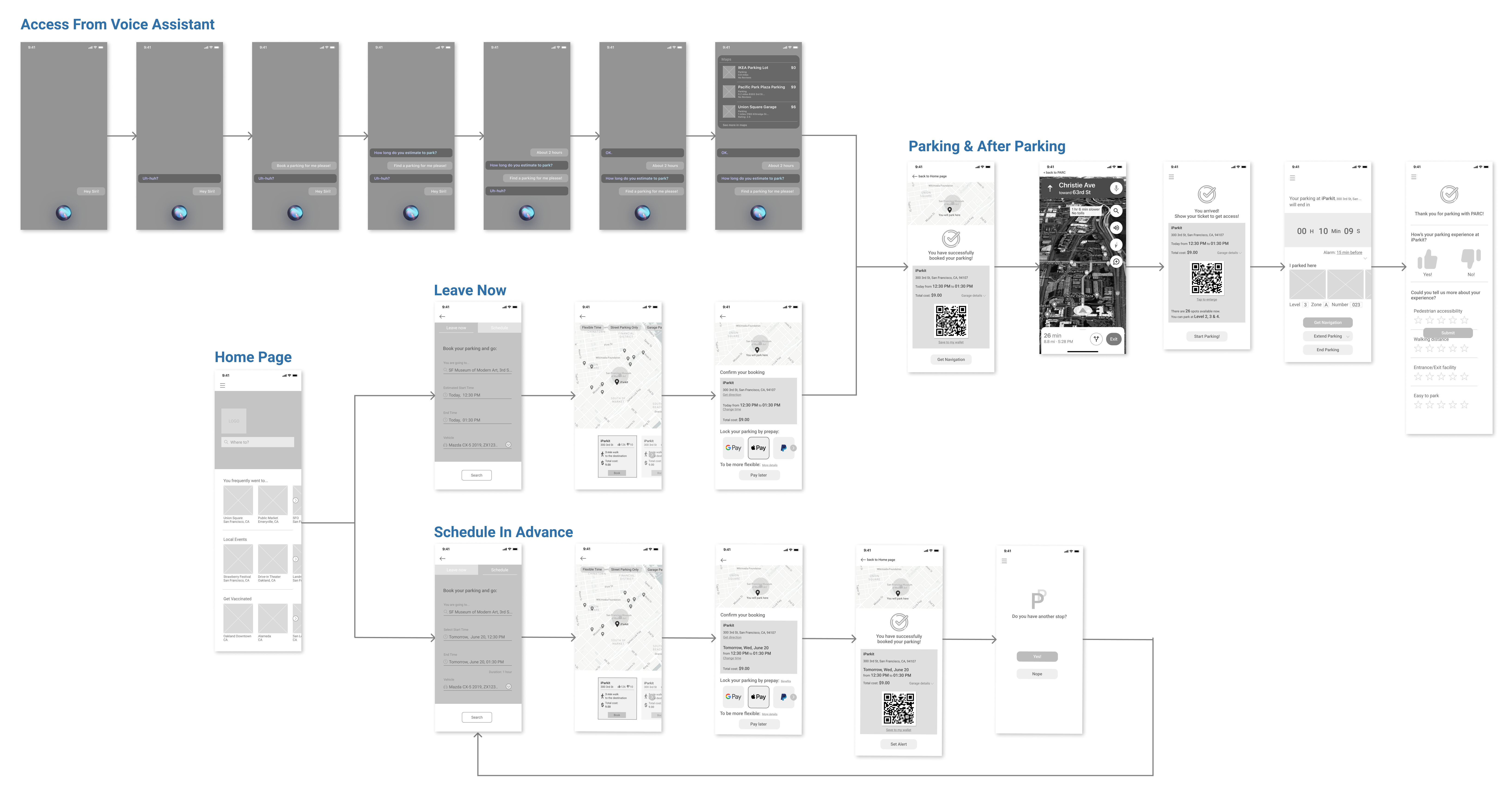
User flow: plan ahead, book now, or use voice
I mapped three core routes to accommodate different situations, then sketched the screens needed to complete each route.
Design decisions
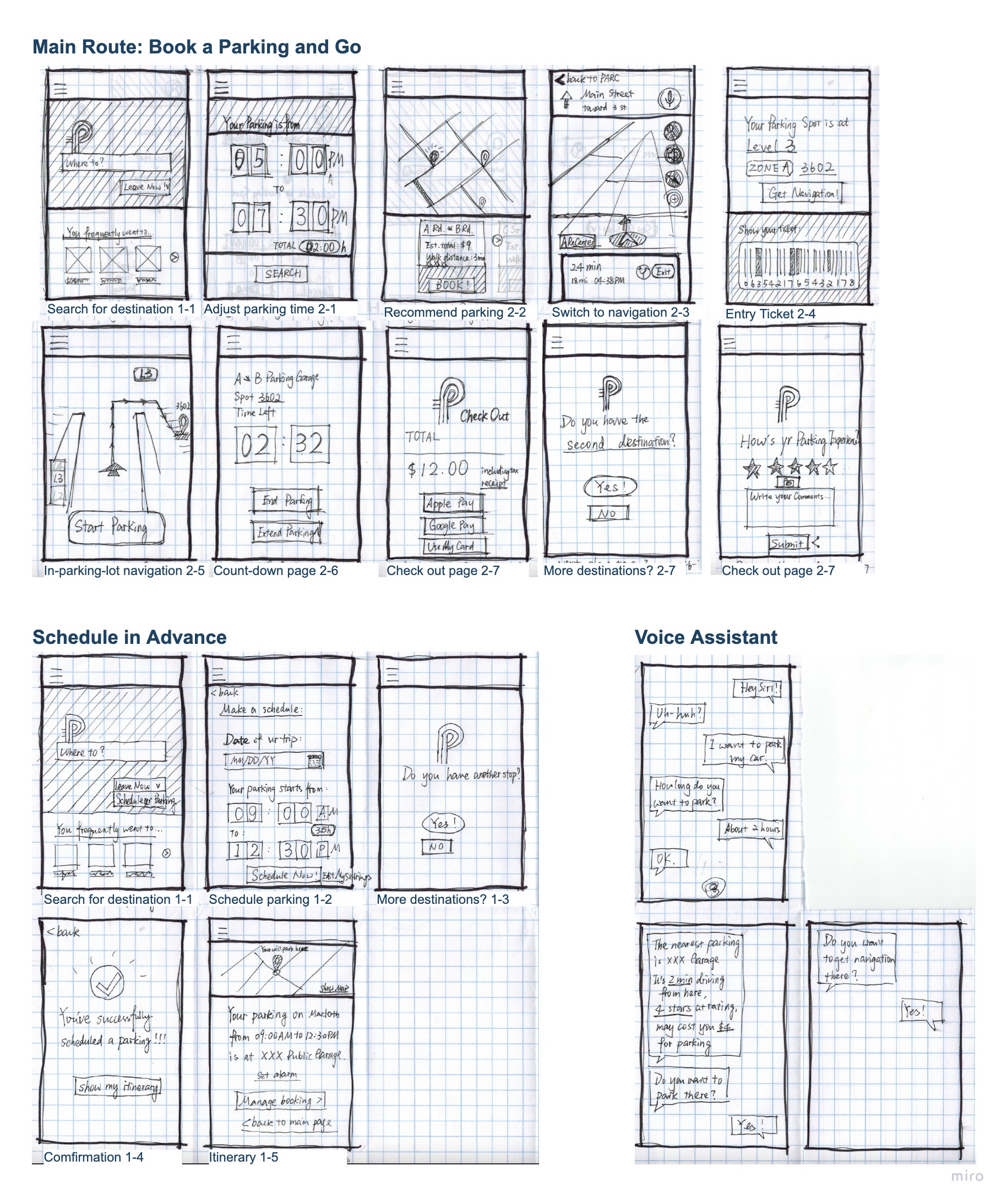
Lo-fi wireframes: brainstorming and quick sketches
I translated the three user-flow routes into mobile screen sketches, focusing on essential information, page layout, and how each step leads to the next.
Guerrilla usability test
I tested the core parking routes with five participants over Zoom. Their feedback highlighted three concerns and shaped the next design decisions.
Users’ doubts
Will my reserved space be available?
Paying early felt like a guarantee, but drivers worried about losing their space.
What if parking runs overtime?
Uncertain departure times could leave the next driver without a space.
Where are my booking details?
Drivers wanted confirmation and entry codes available whenever needed.
Solution ideas
Offer certainty or flexibility
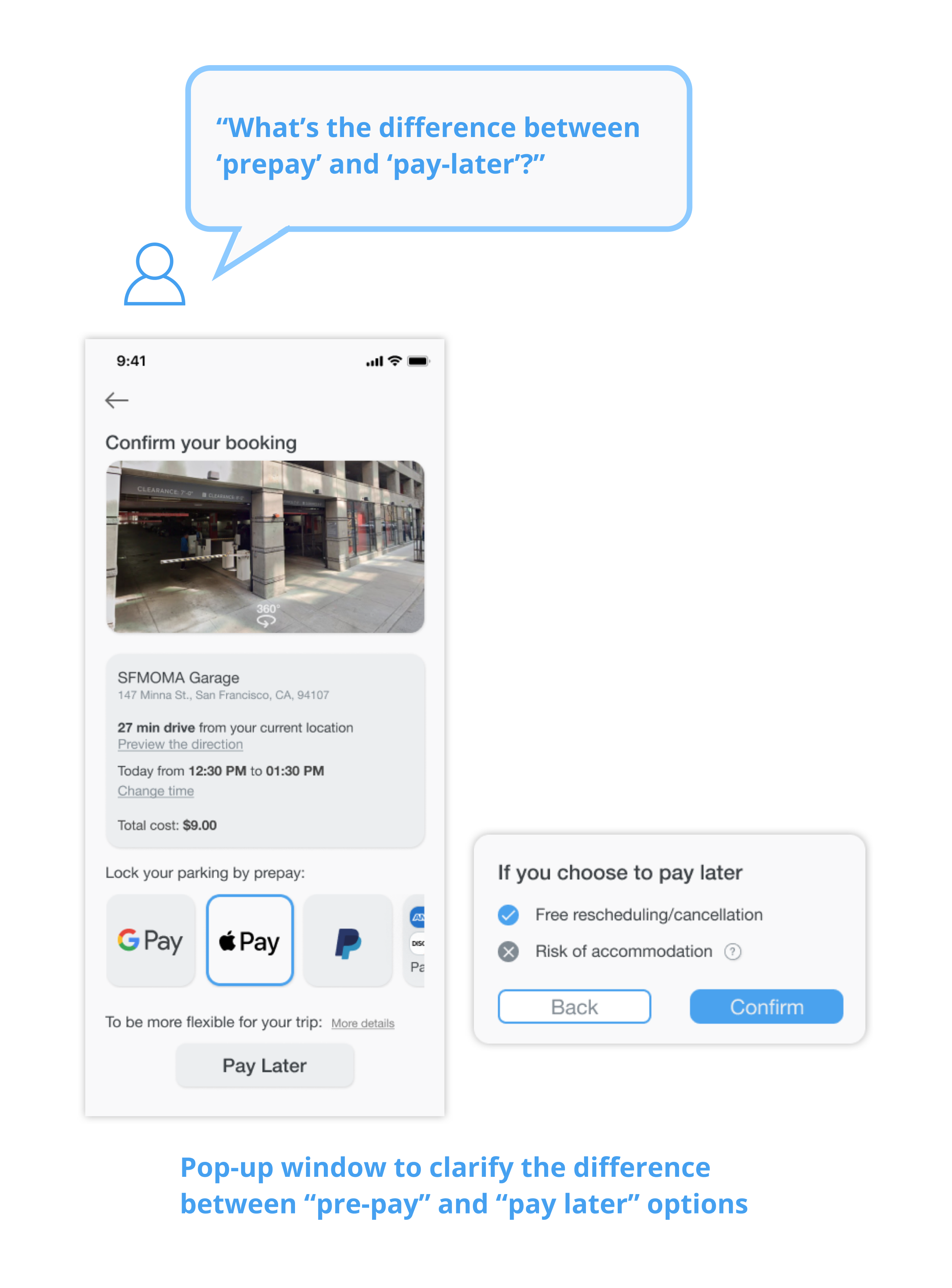
Propose pre-pay for a reserved space, or pay later with flexible cancellation and clear availability risks.
Keep bookings easy to access
Show confirmation and entry details together, with a proposed wallet option for offline access.
Match parking to the trip
Let drivers adjust vehicle size, time, walking distance, and price throughout booking.
Offer certainty or flexibility
Inspired by hotel booking, I proposed two payment paths: pre-pay with a reserved space and cancellation limits, or pay later with greater cancellation flexibility and clearly stated availability risks.
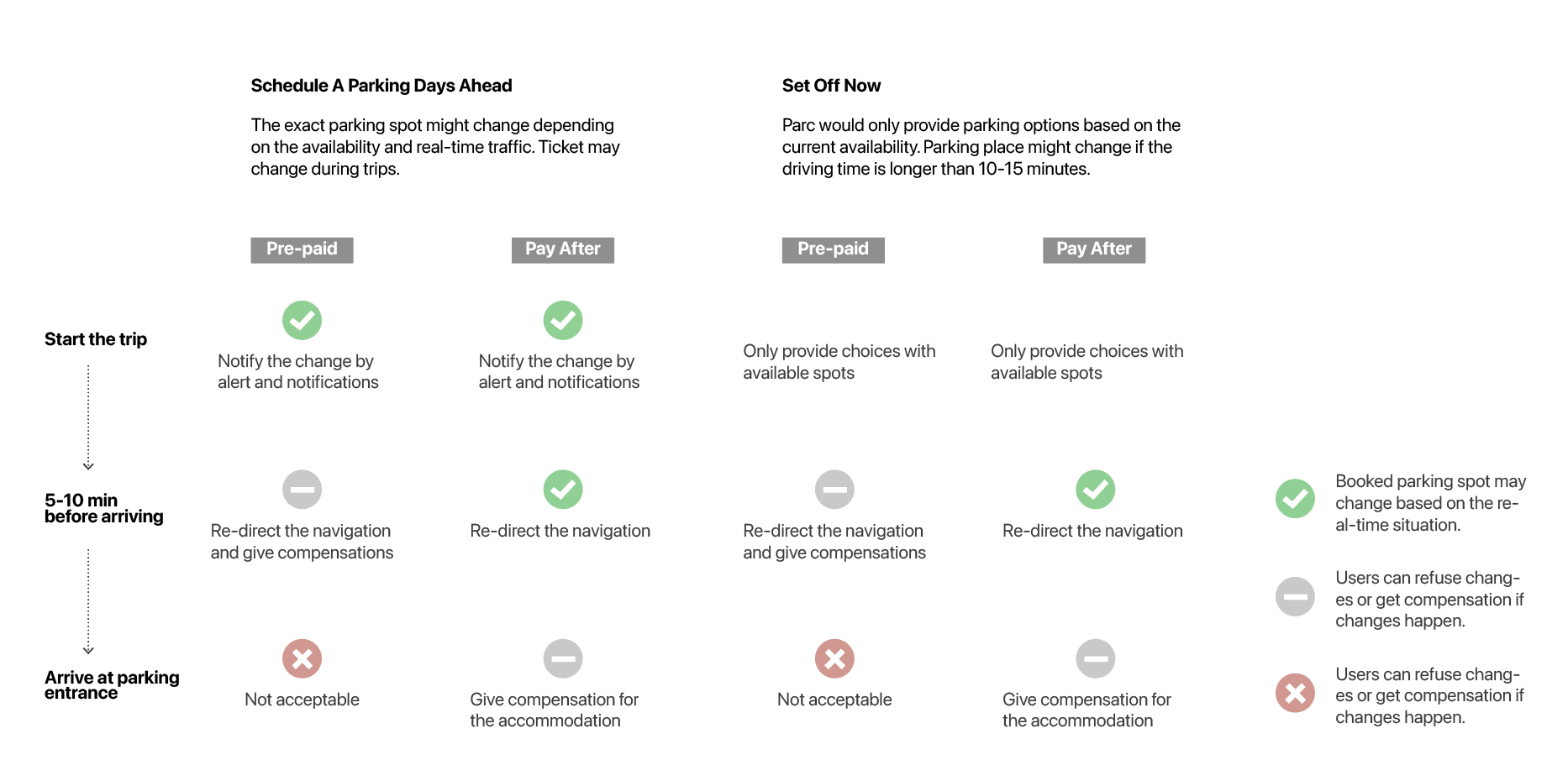
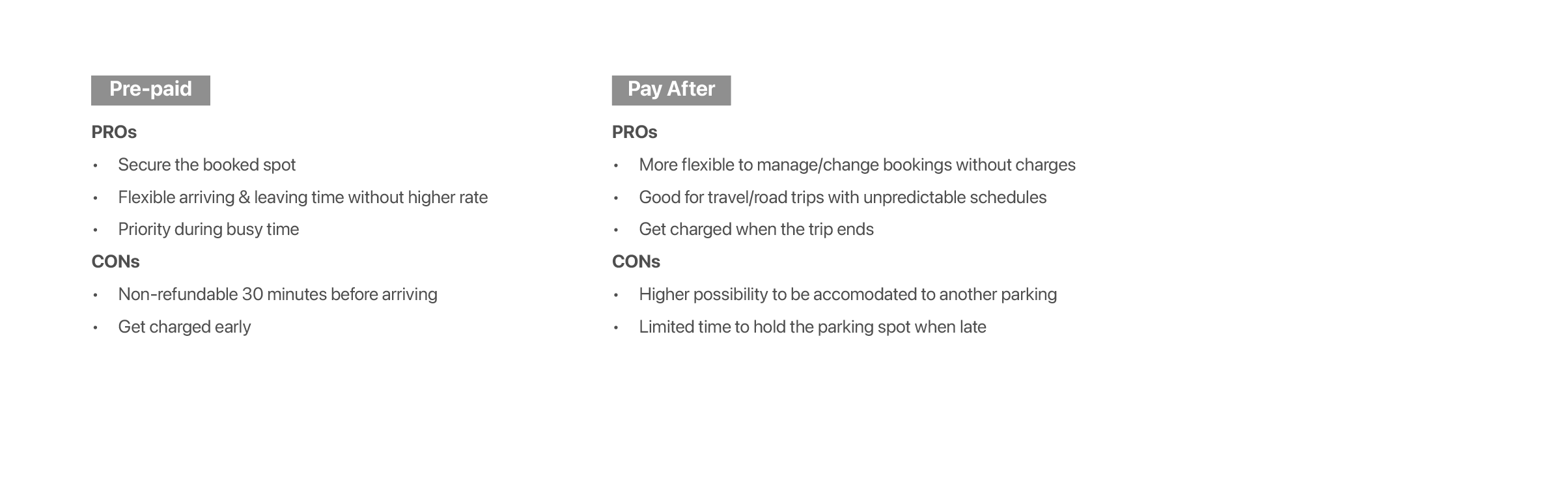
These booking guarantees and compensation rules are concept proposals. They depend on parking operators and reliable occupancy information.
Keep the booking usable throughout the trip
I carried the test feedback into the wireflow: visible confirmation details, access to bookings, and filters for vehicle size, time, distance, and price. Saving access codes to a mobile wallet was proposed for offline access.
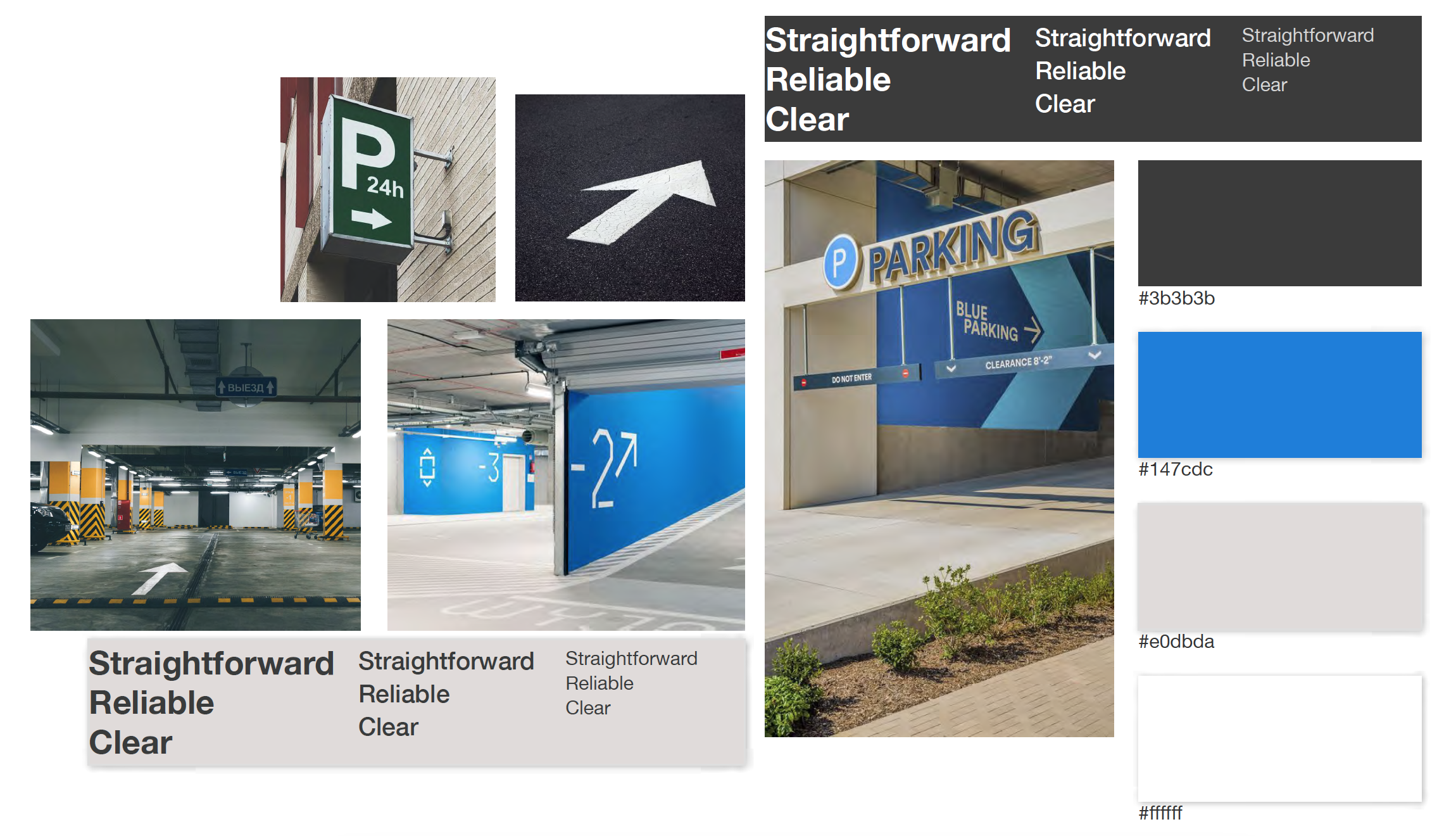
Design look & feel
Parking signage inspired the visual direction: a consistent palette and clear typography to carry across the app’s screens.
Mood board
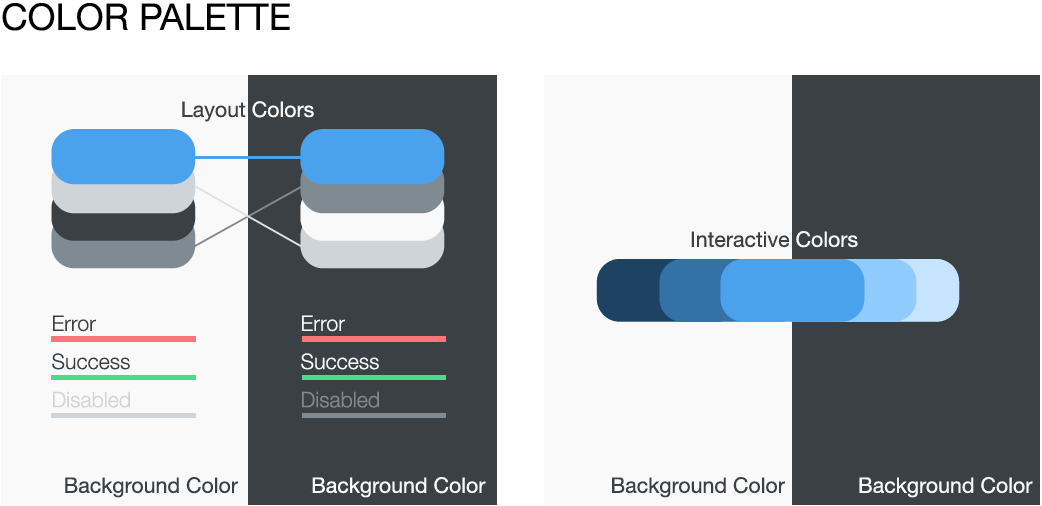
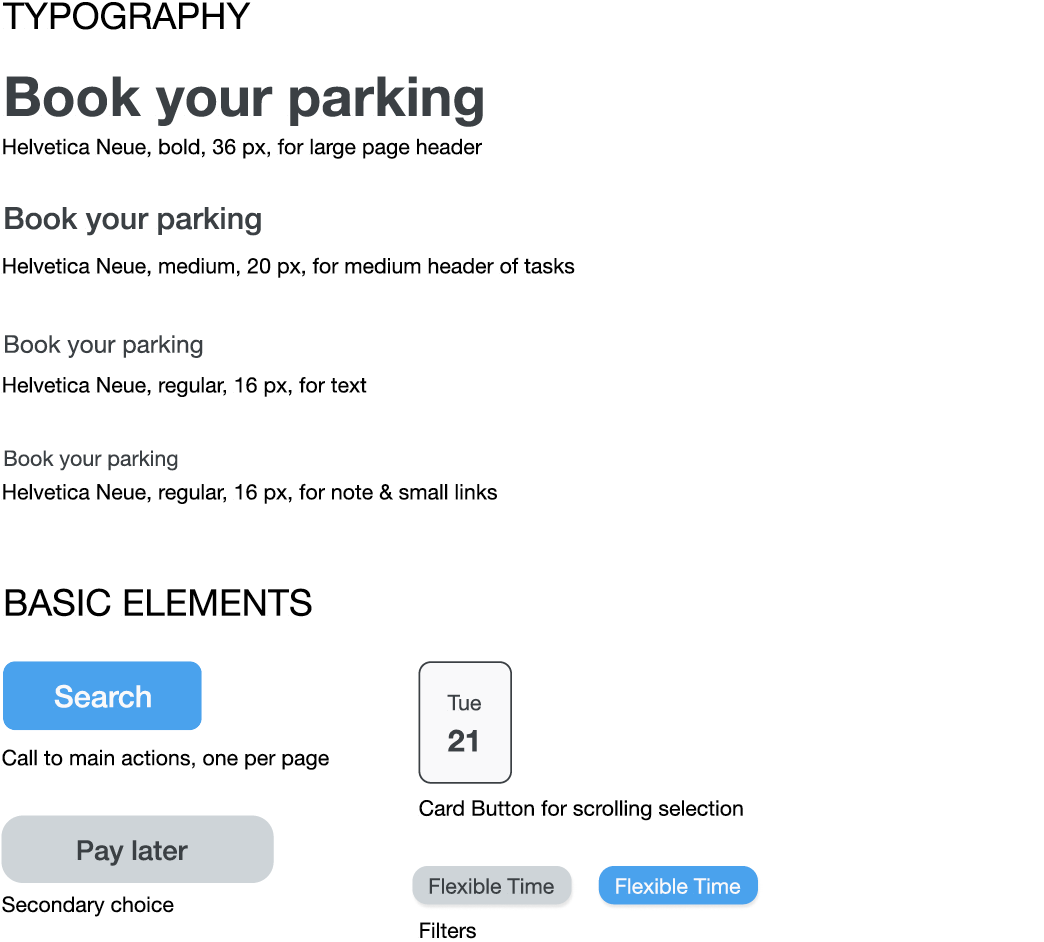
Style guide
I translated the mood board into reusable colors and type styles, with variations for different interface roles and states.
Design deliverable
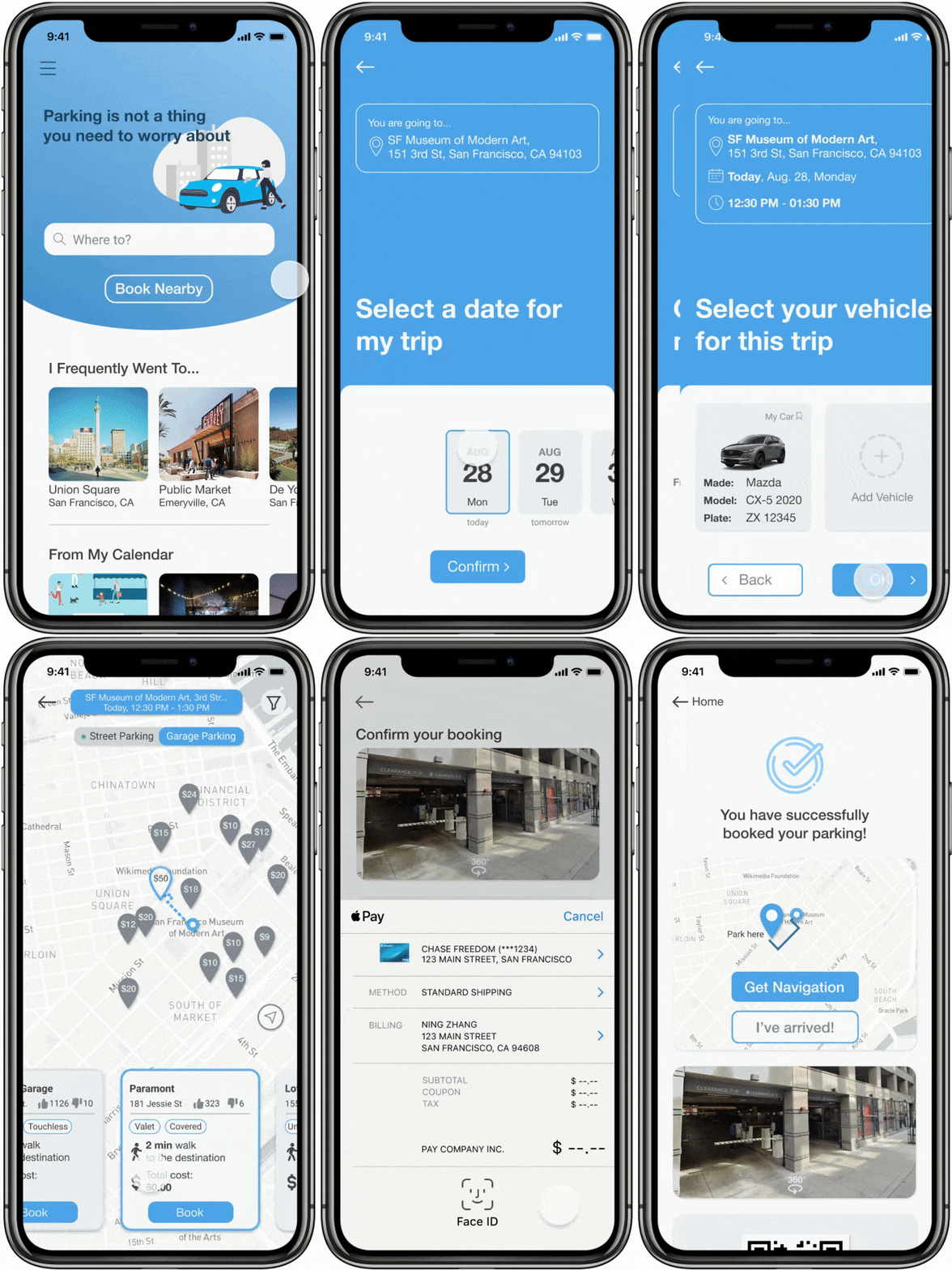
Book for now or later
Set the destination, compare options, and customize a booking around the trip.
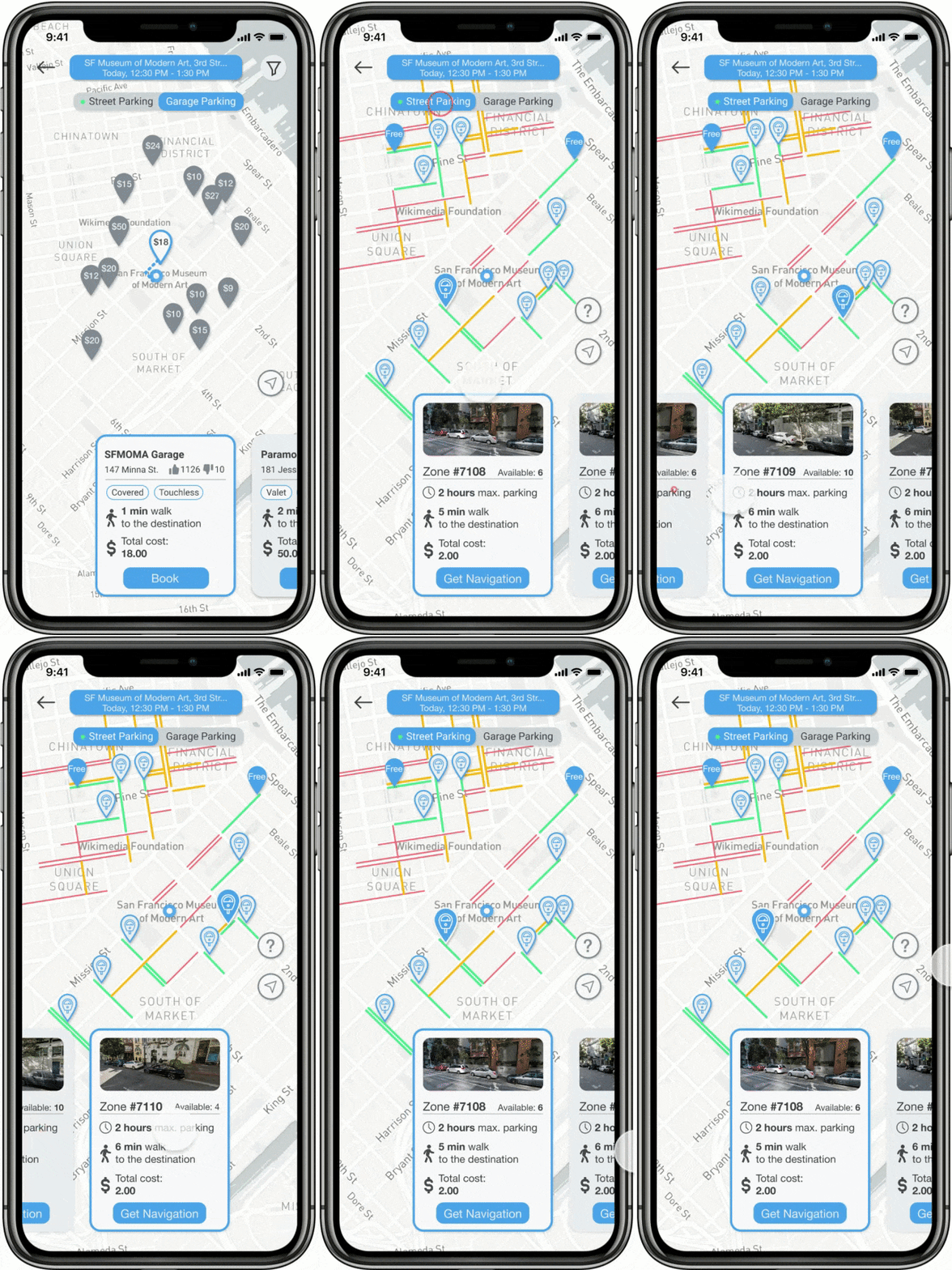
Compare street parking
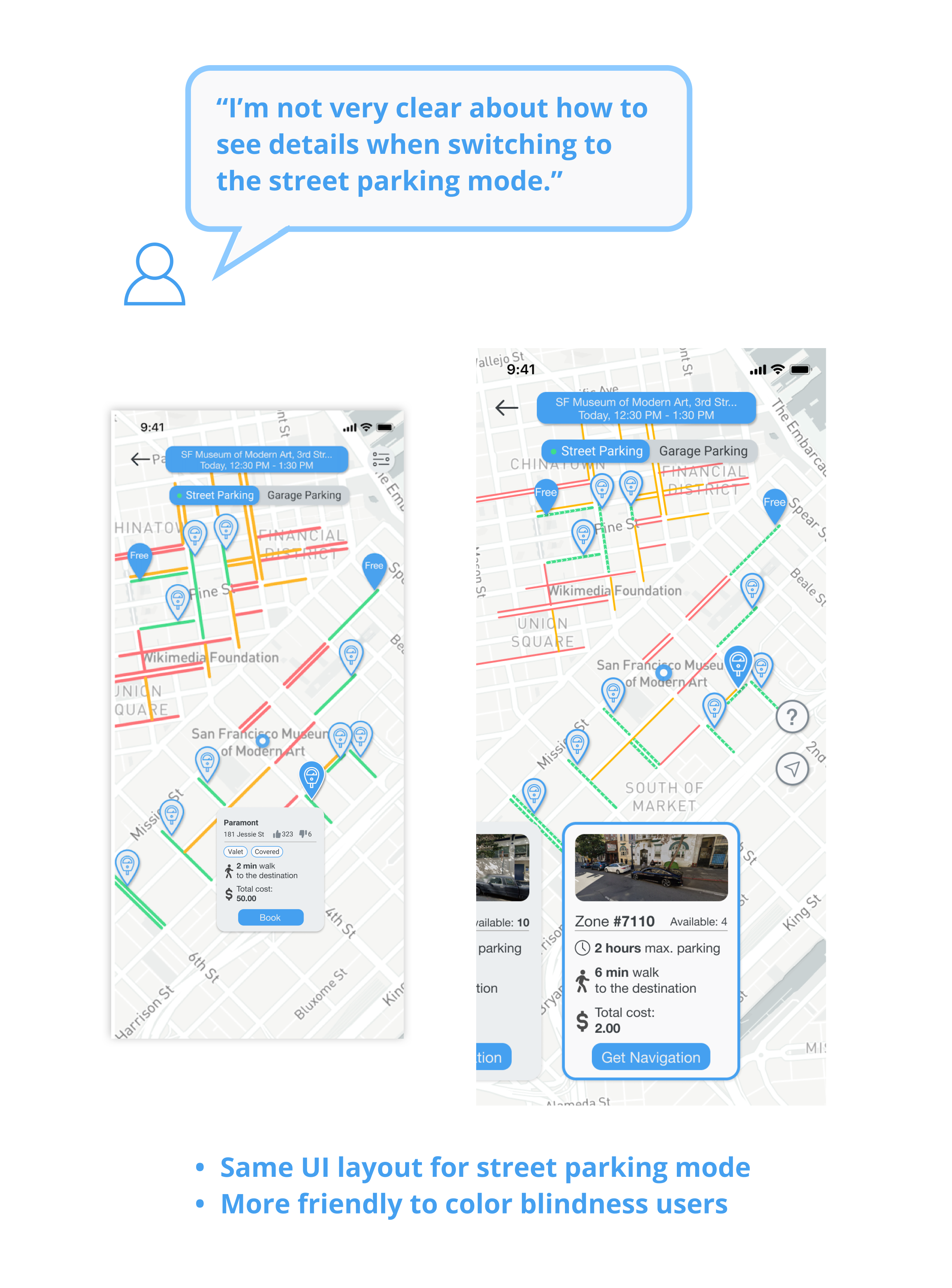
Switch to street parking to compare its proposed availability and rates with parking lots.
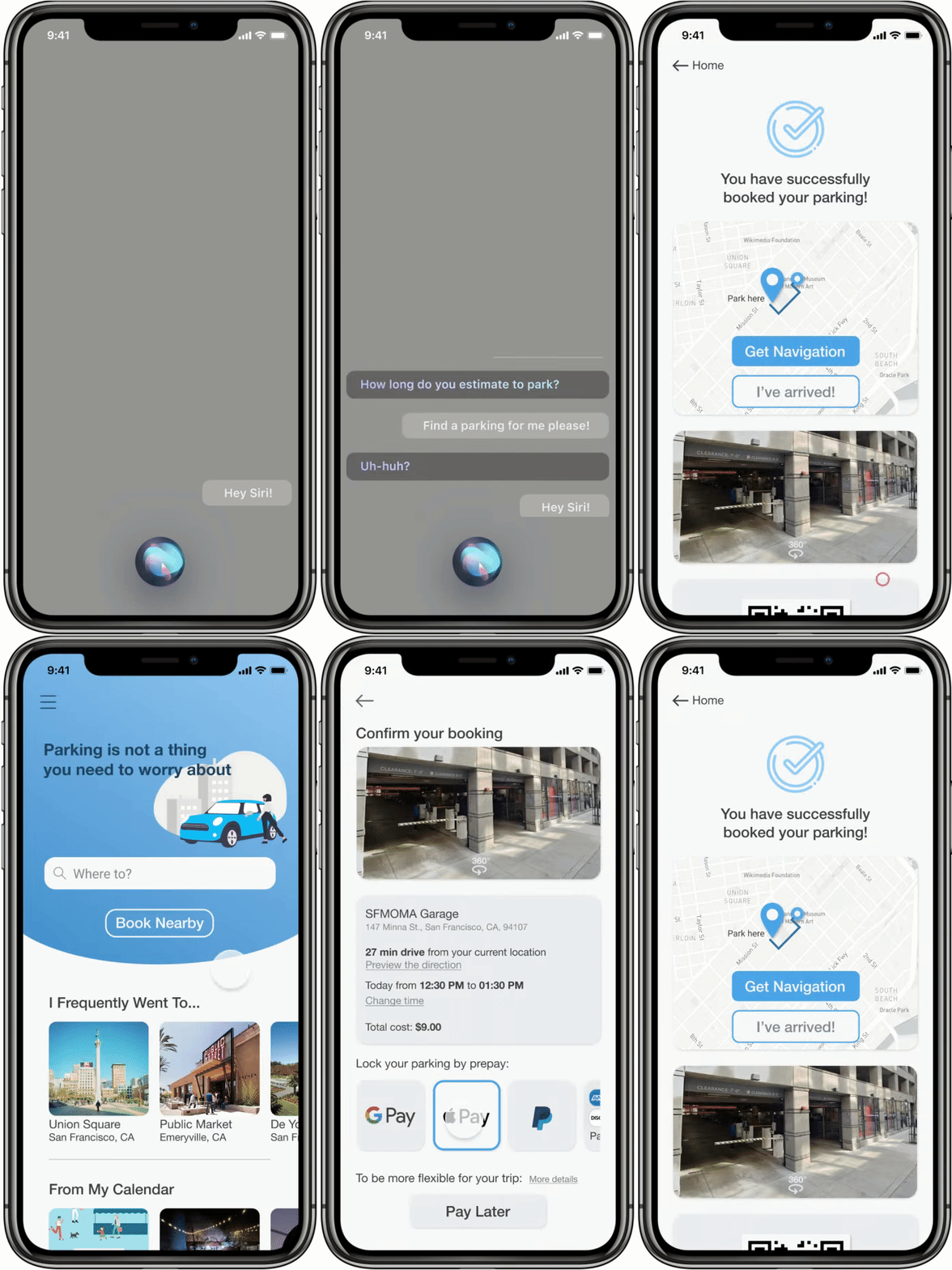
Use express booking
The concept offers voice and a Book Nearby shortcut. The interaction still needs evaluation for distraction and driving context.
Remember where the car is parked
After parking, record a photo or spot number to help find the car on return.
Iterations
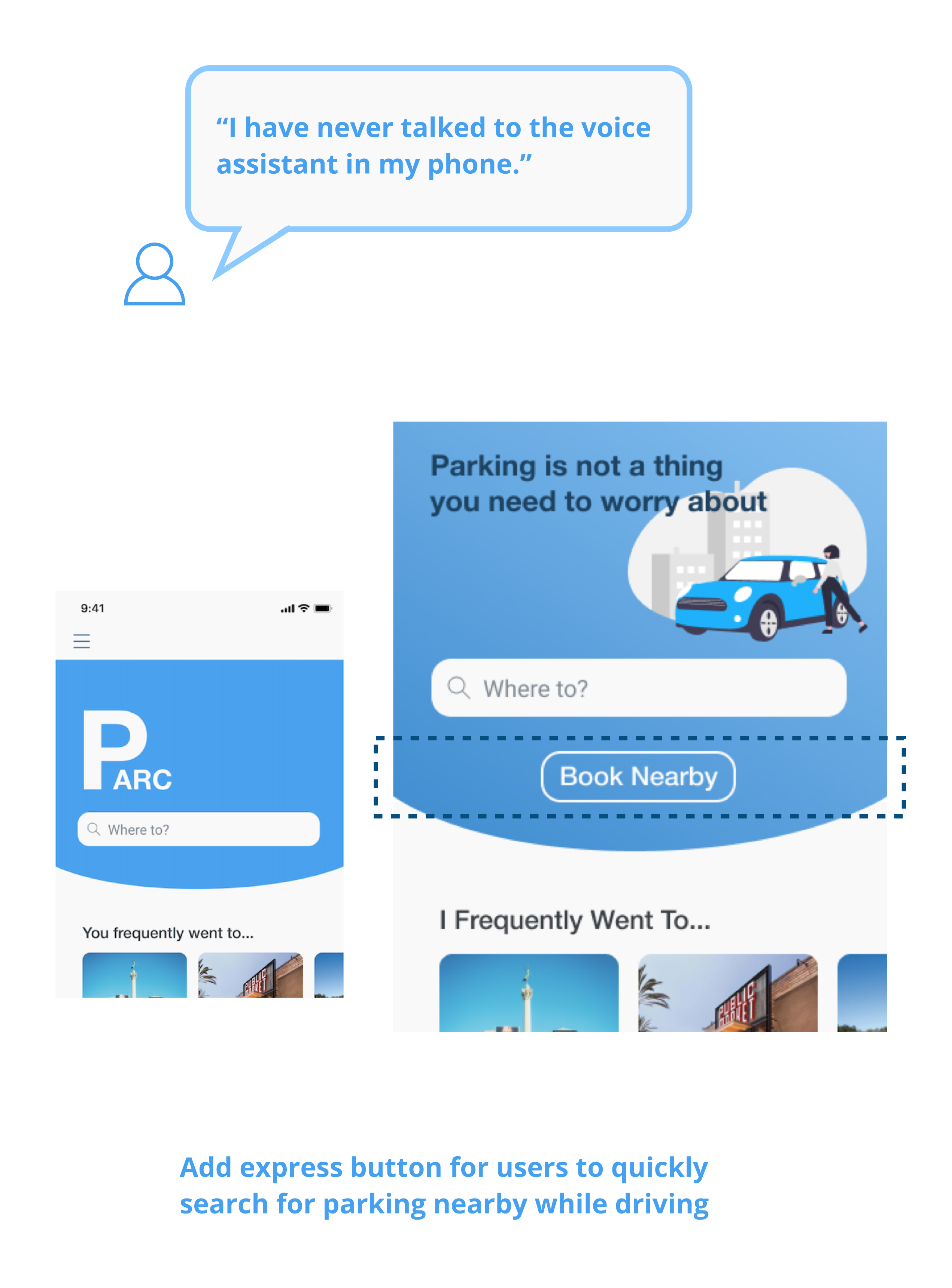
Users’ needs are the foundation for improvements
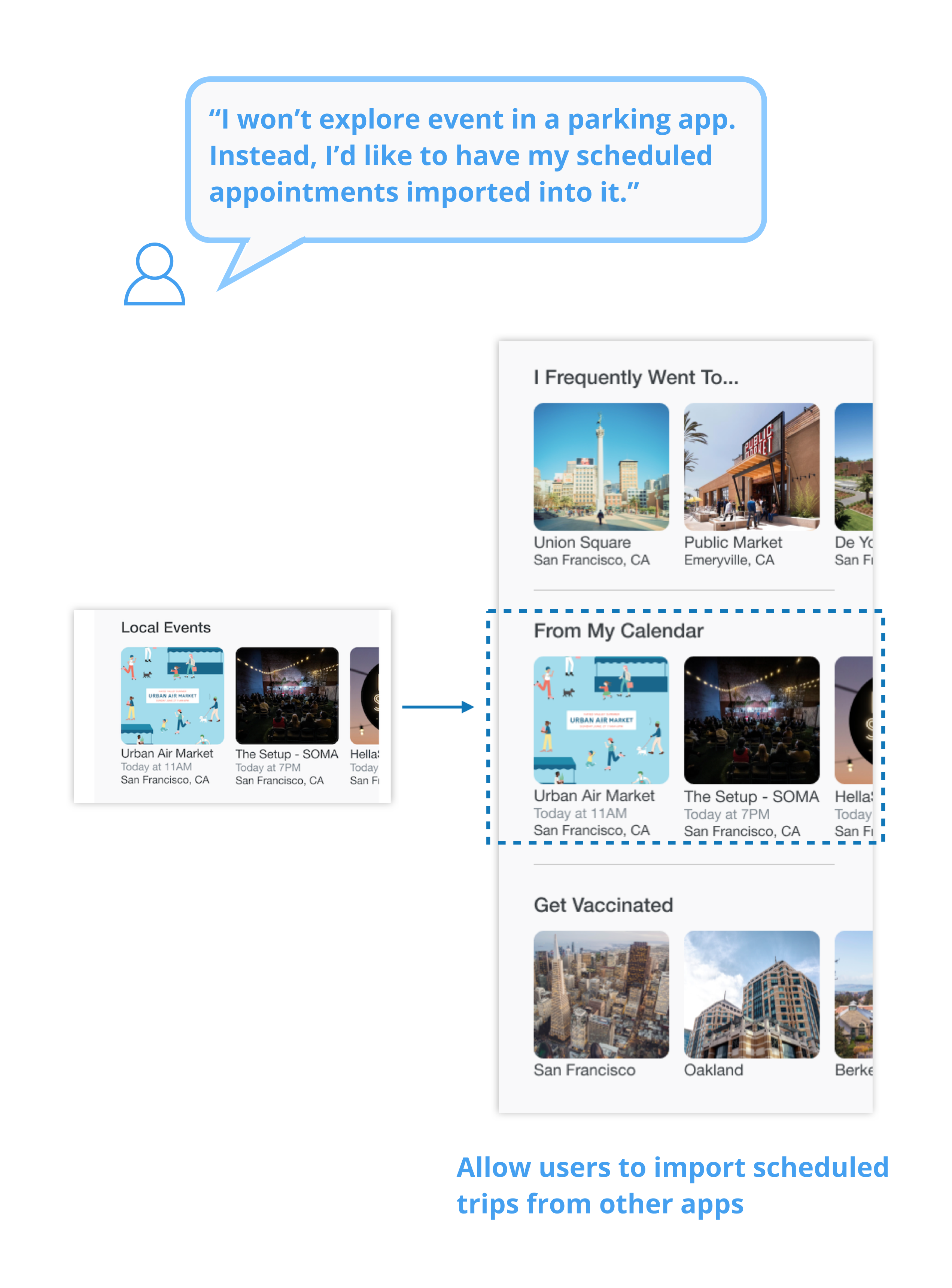
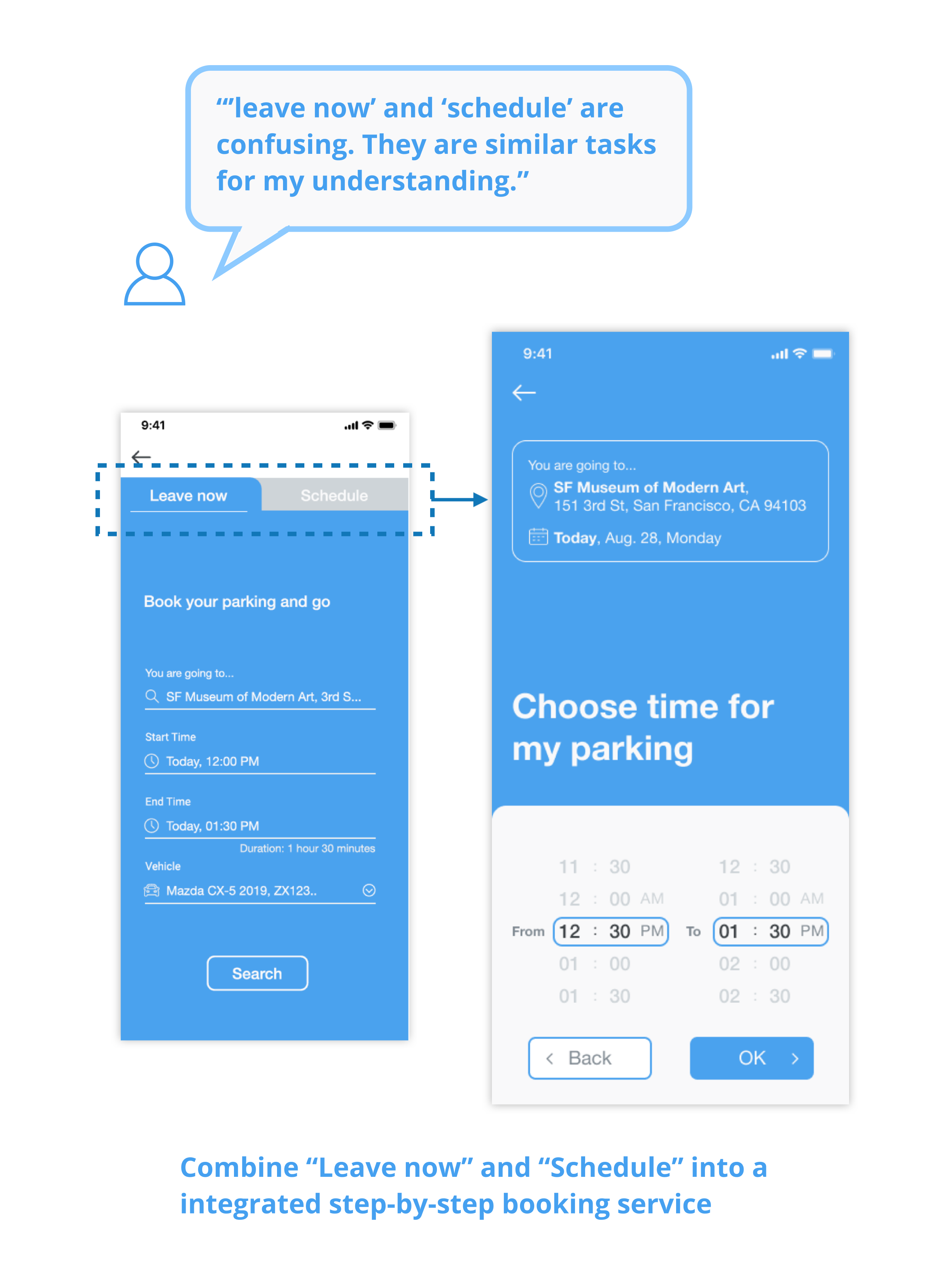
Feedback from the design review and usability test led to focused changes in booking access, trip planning, navigation, and parking details.
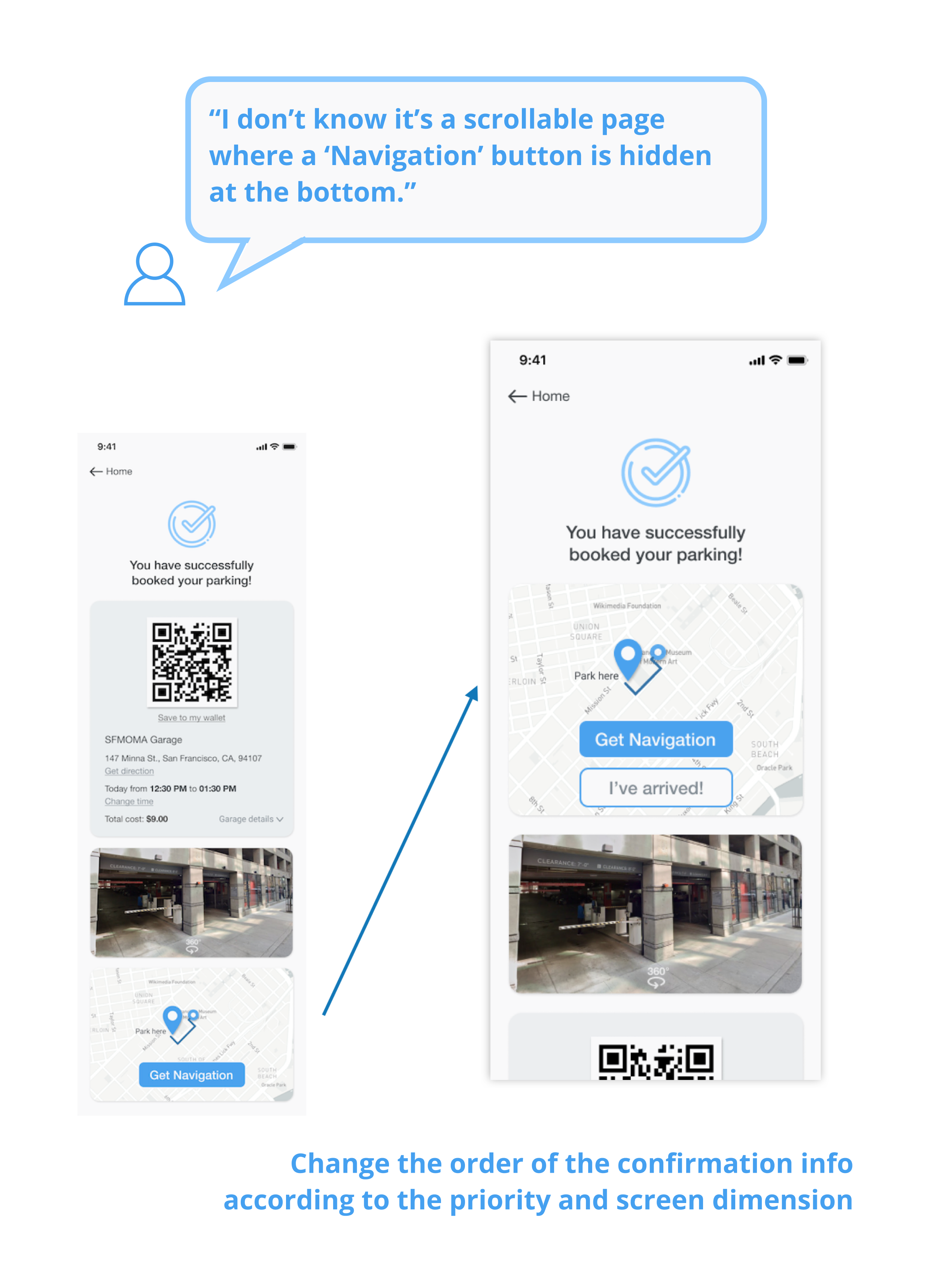
Evidence
What the evaluation established
Five participants evaluated the core routes
The Zoom test provided qualitative feedback on booking expectations, parking habits, and access to reservations. It informed the payment options and revised wireflow.
A concept, with operational questions still open
Parc reached interactive prototype design. The available project record does not establish a launch, measured time or cost savings, or live parking availability.
A clearer interface can explain a booking. Reliable reservations also require occupancy data and coordination with parking operators.
Next steps
What to validate next
Work with parking operators
Test whether reservation guarantees, cancellations, and overtime rules can work in practice.
Evaluate express interactions
Assess discoverability and distraction before making claims about use while driving.
Support the return to the car
Explore indoor navigation for large garages and test whether recorded locations are enough.